
The integration of fine art into modern interior spaces dictates the spatial energy, tone, and visual gravity of an architectural layout. While contemporary interiors heavily favor clean lines, neutral plaster walls, and flat digital elements, these spaces frequently lack textural depth and historic grounding.
Traditional monochrome charcoal serves as an elite spatial anchor, utilizing light-absorbing matte carbon to create an unyielding visual focus that commands attention within minimalist enviroment.
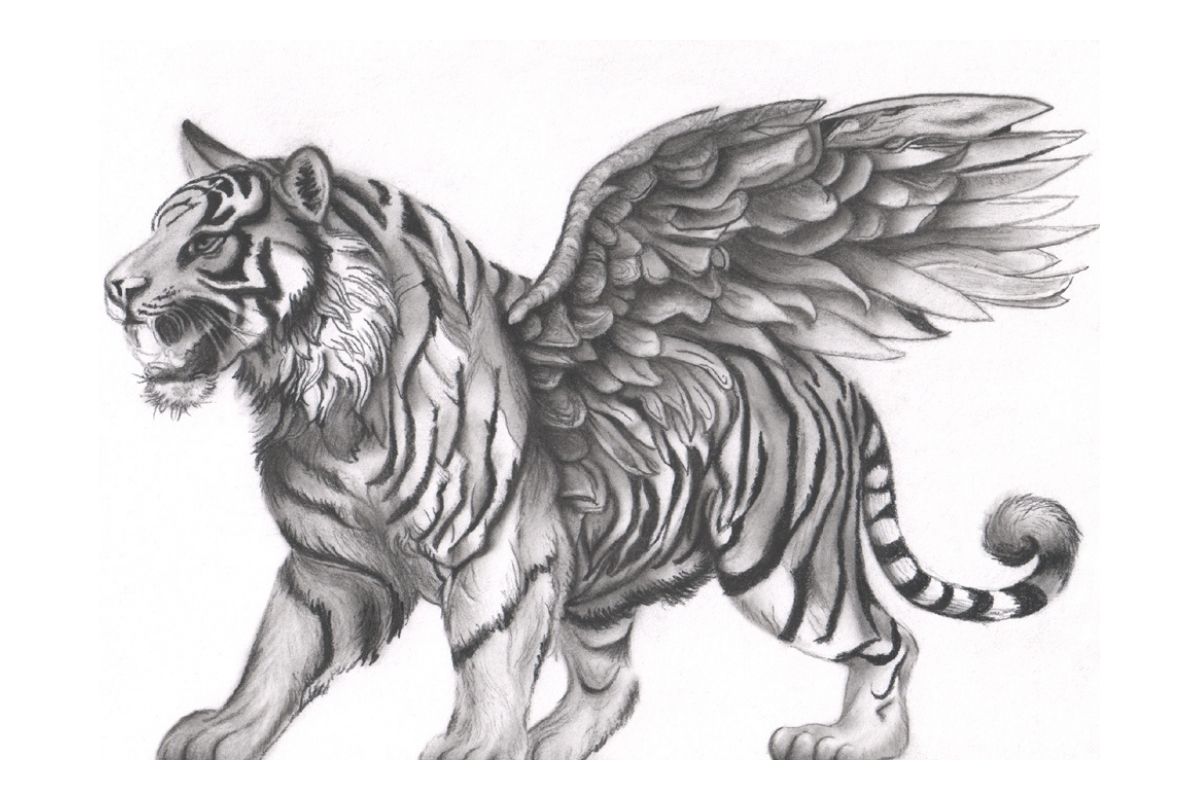
I. The Science of Visual Weight: Matte vs. Reflection
Modern residential and commercial architecture relies heavily on reflective surfaces-polished concrete, expanse glass, lacquered woodwork, and synthetic metal frames. Introducing glossy, glass-fronted commercial posters or liquid sheen paintings into these environments creates distraction glare, fragmenting the room’s clean geometry.
Traditional charcoal explicitly rejects surface reflection:
- Light Absorption: High-density carbon particles from compressed and vine charcoal sit directly on the archival fiber, functioning as a physical light trap. Instead of throwing back ambient light, the velvety blacks absorb it entirely, creating a bottomless shadow abyss that adds instant atmospheric weight to a room.
- Textural Balance: The pronounced tactile “tooth” of 100% cotton rag paper introduces a subtle, raw, organic counterweight to the cold, flawless surface of modern architecture. This duality grounds a space, introducing a silent depth that feels both historic and contemporary.
II. Placement Matrix for High-Contrast Works
To preserve the elite presence of a fine art monochrome piece, installation must be execued with strict geometric intentionality. The studio enforces specific parameters for curating the placement of archival prints within private residences:
- Focal Zones of Stillness: Pieces must be positioned in areas where architecture forces a natural pause-above major structural furniture, centered down long strutural hallways, or commanding the primary entry plane.
- Environmental Lighting: Avoid direct, harsh spotlighting which washes out delicate mid-tone charcoal gradients. Position the artwork where it can interact with soft, indirect ambient light, allowing the subtractive highlights and rich carbon textures to slowly reveal themselves throughout the day.
III. The Asset Value of Curation
For the dedicated collector, choosing traditional monochrome art is a deliberate statement of sophistication. It signals a complete rejection of mass-produced, trend-focused home decor in favor of an elite, museum-grade legacy asset built to outlast changing interior design cycles.
Contextual Records:
- Provenance & Exhibition: Review how high-contrast works command visual presence in traditional public galleries in Record of Exhibition: The 14th Annual Kirton Registry
- Tonal Execution: Explore the architectural drafting precision and hard-edged ruler techniques used to render civic spaces in Monograph: Contrast Dynamics in ‘Retford Market Poppies’
The Carbon Folio Registry
The studio’s architectural studies and wildlife monographs are scaled exclusively for high-end residential integration. Access to new collections is restricted to the private collector registry.