
Physical exhibition records serve as the core framework for establishing fine art provenance. Documenting public showcases verifies an artist’s long-term market presence and historical record within regional collections.
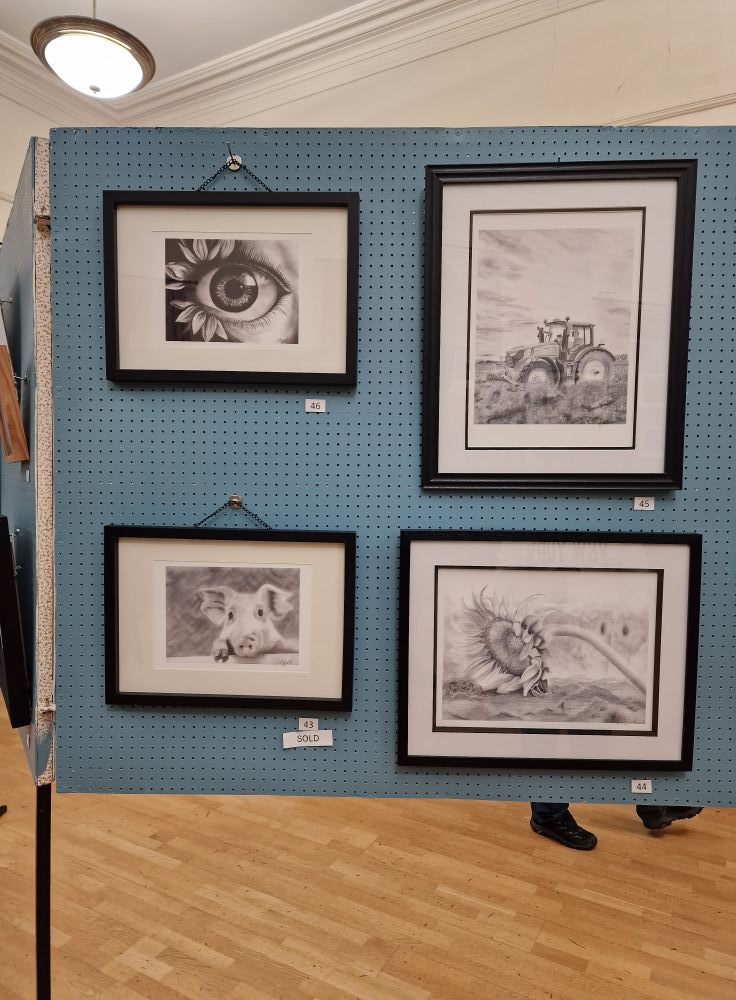
This archive chronicles the studio’s third consecutive inclusion within the Kirton in Lindsey Annual Art Exhibition, highlighting the continuing growth and placement of monochrome charcoal works within the regional landscape.
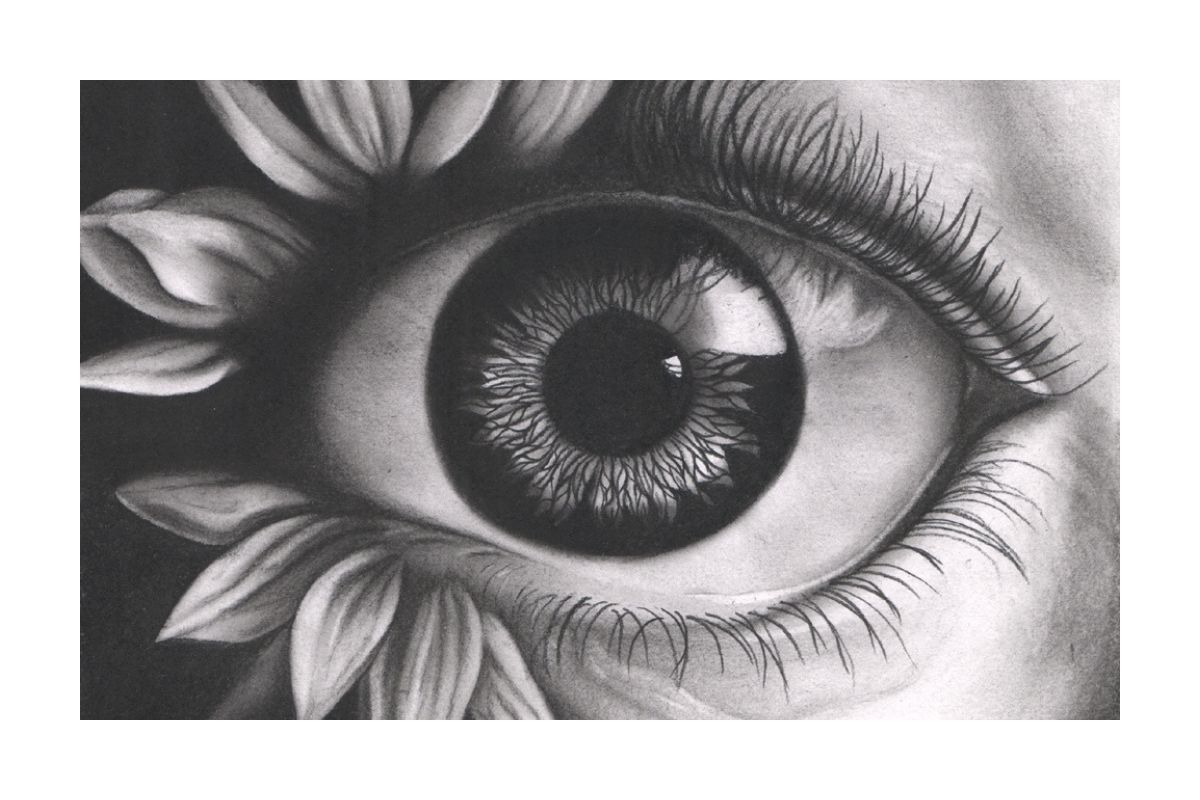
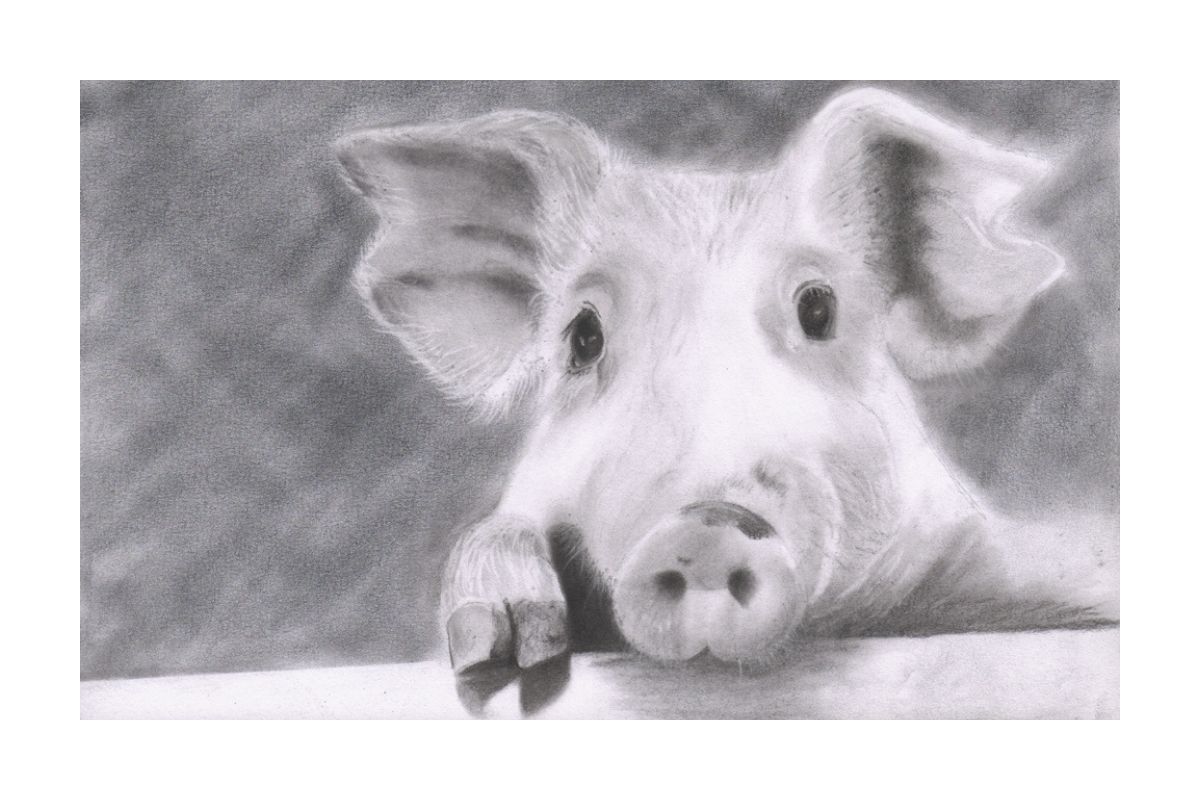
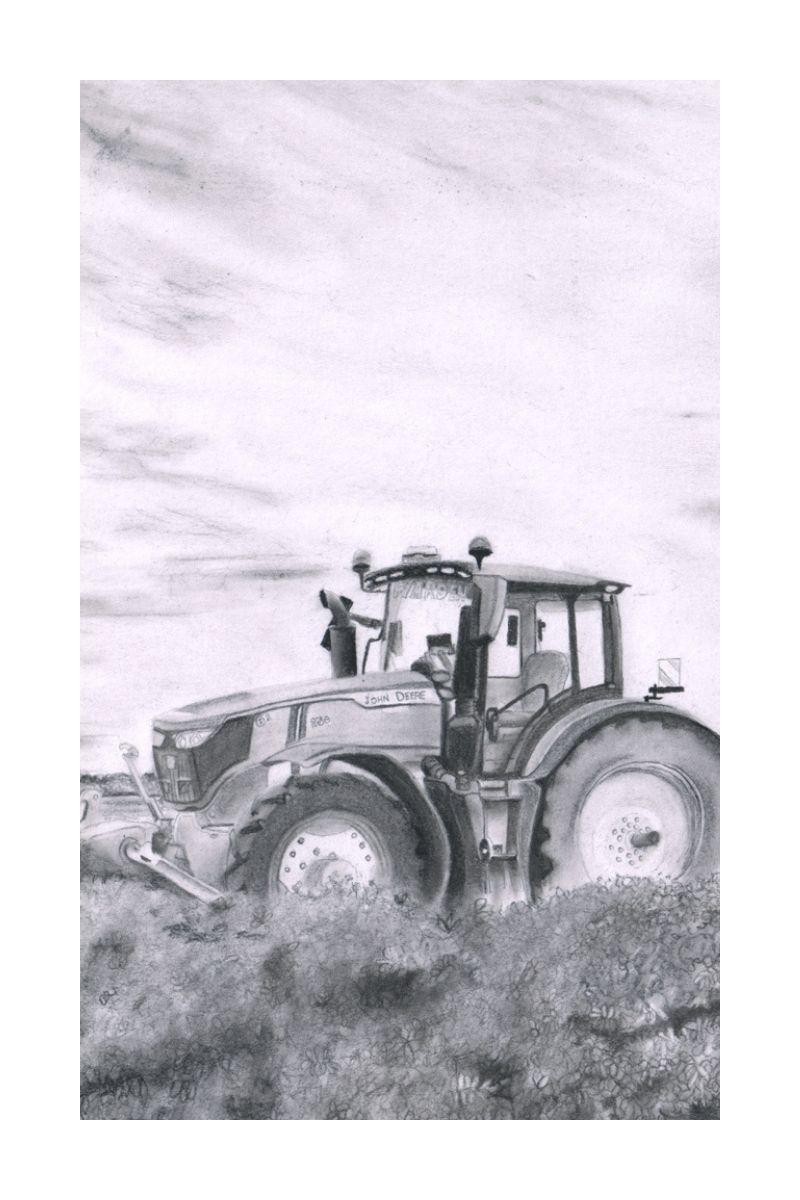
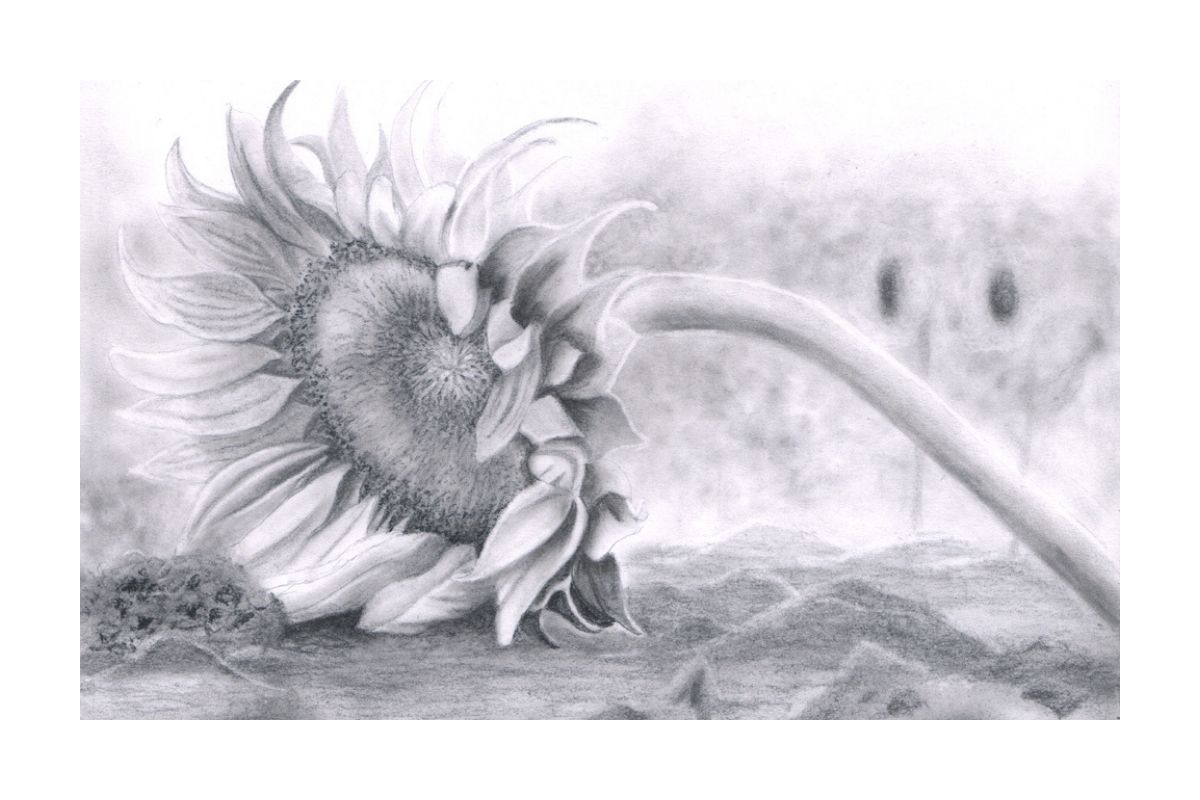
I. Curated Selections and Spatial Presentation
Exhibiting traditional monochrome charcoal alongside diverse physical mediums (such as oil paintings, pottery, and glasswork) requires careful consideration of spatial contrast. Colour-saturated environments rick distracting the viewers; however, dense matte carbon drawings naturally crate a silent focus that commands attention in a public gallery.
The studio’s display focused entirely on showcasing structural mastery and deep value gradients. By presenting pieces under uniform, lighting the velvety textures of the willow and compressed charcoal were fully realized-drawing collectors away from transient digital screens and into the permanent physical weight of traditional fine paper.
II. The Significance of Public Provenance
For the discerning art investor, public exhibitions provide a transparent record of an artist’s consistency and commercial trajectory. Securing a multi-year footprint in curated public space increases the value of limited editions and private commissions already held in private hands.
The reception of the studio’s monochrome collection continues to validate a clean market trend: a deep, growing demand for uncompromising, slow-crafted physical artwork that rejects modern mass-production.
Contextual Records:
- Tonal Execution: Review the physical mechanics of value saturation behind flagship exhibition works in Monograph 01: Value Allocation and Textural Density in Wildlife Isolation
- The Archival Standard: Explore the strict museum-grade ink and cotton rag criteria enforced for the publicly exhibited print collections in Technical paper: Structural Standards for Museum-Grade Digital Replication
The Carbon Folio Registry
The studio’s primary original works are held permanently within its private archive and are exclusively released for public acquisition during curated seasonal windows.