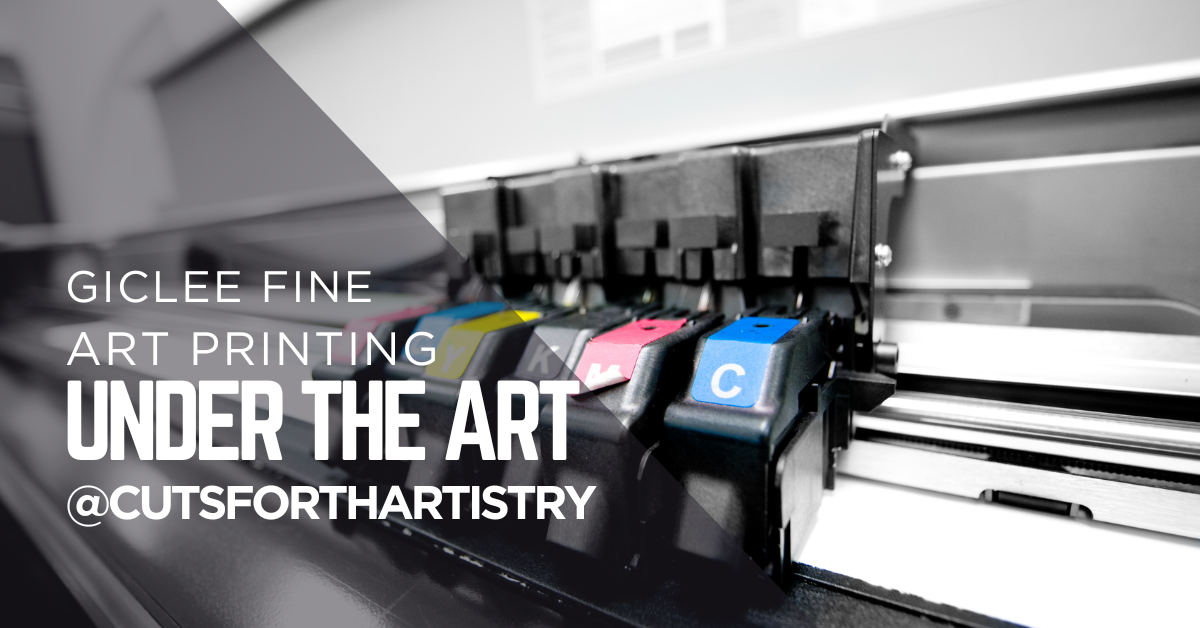
The term “Giclée” is frequently misused within modern commerce to dress up standard desktop inkjet prints on thin , unstable paper. True fine art replication requires adhering to a strict, unyielding physical mandate regarding resolution, ink chemistry, and substrate acidity.
To protect long-term asset value, the studio enforces a technical framework governed by the rigorous longevity parameters accepted by global institutions and galleries.
I. The Three Non-Negotiable Pillars of Reproduction
For a print to qualify as a certified archival asset from this studio, it must meet three precise mechanical requirements:
- Optical Source Resolution: The original drawing is digitally captured at a minimum of 300 to 1200 Dots Per Inch (DPI). This ensures that every raw fracture of the charcoal stick, every mark of the blending stump, and the true physical tooth of the original paper are flawlessly recorded without digital smoothing.
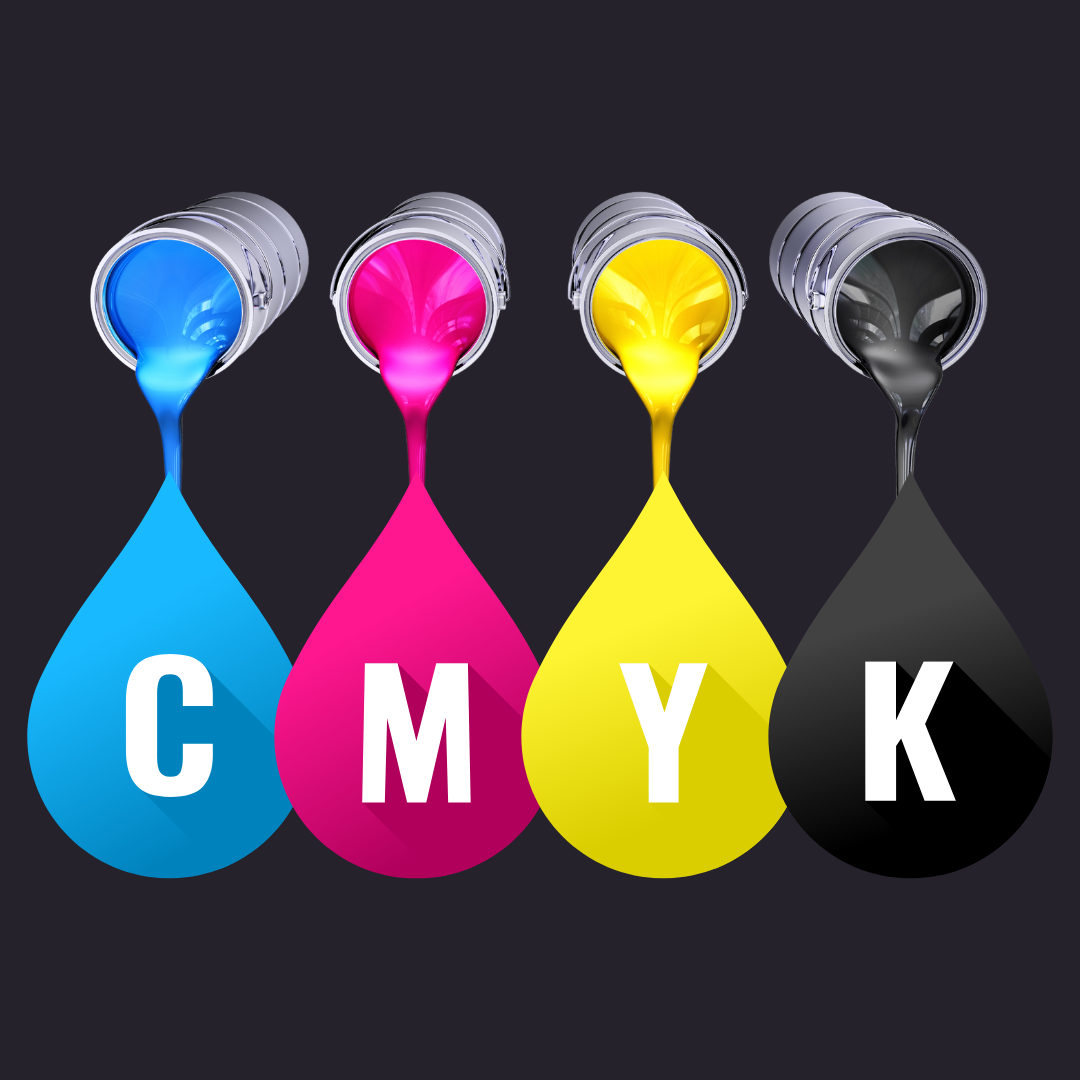
- Aqueous Pigment Chemistry: The printing system utilizes solid, mineral-based pigment inks suspended in liquid, rather than fugitive commercial dyes. The droplets are precision-sprayed via microscopic nozzles, creating an unbroken, continuous tone that accurately mimics the ligh-absorbing qualities of original carbon.
- Lignin-Free Substrates: The materials foundation must possess a base weight of no less than 250 to 310gsm. Struck entirely on 100% cotton rag paper that has passed rigorous UV light fade tests, the medium remains entirely free of wood-pulp acids. This locks the structural integrity of the print, preventing the internal yellowing or brittleness common in standard commercial reproductions.
II. Edition Regulation and Collectible Scarcity
Ahigh-resolution print only holds investment status when its availability is strictly regulated. The studio operates on an absolute scarcity model:
- Finite Numbers: Print collections are released in deinitive, small-batch runs (eg., editions of 50 or 100). Once an edition window closes, the digital master profile is securely archived, and the series is never generated again.
- The Signature of Releases: Every single print that survives the quality audit is hand-signed and numbered in pencil on the lower right corner. This signature constitutes a formal contract between the studio and the collector, certifying that the piece matches the spatial presence and depth of the original master drawing.
III. Verified Environmental Longevity
When these technical criteria are precisely met, the lifespan of a fine art reproduction matches or exceeds traditional painting mediums. Under standard residential or gallery display conditions-shielded from sudden temperature shifts and direct solar rays-a certified giclée print is chemically engineered to endure between 100 and 200 years without any observable loss of contrast or tonal shift.
Contextual Records:
- The Archival Standard: Review the exact material handling steps and glass mounting criteria to preserve your investment in Technical Paper: The Physics of Permanence in Charcoal Reproductions.
- Tonal Execution: Observe how these archival material properties perfectly preserve the deep blacks and fine highlights of our flagship monographs in Monograph: Value Saturation in ‘The Tempest’
The Carbon Folio Registry
The manufacturing log, digital master profiles, and private print registries are preserved exclusively for verified collectors. Access to limited-batch releases is granted strictly via the secure studio register.