The human brain is naturally engineered to interpret the surrounding enviroment through symbolic shorthand, prioritizing colour variance and familiar shapes over true physical form. In the field of high-end traditional fine art, this cognitive bias is highly problematic. Authentic observational drafting demand that the artist systematically shut down subjective interpretation and operate as a precise machine of optical transcription.
To successfully execute an unyielding, high-contrast monochrome drawing, the studio enforces a stict multi-step observational framework that converts raw light values into physical carbon density on archival paper.
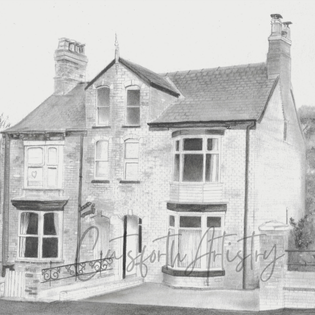
I. The Formula of Non-Symbolic Observation
True observational drafting requires the artist to disconnect from what an object is and look strictly at what it is doing spatially. When rendering an intricate landscape or an architectural landmark, the eye must be trained to isolate pure geometric mass.
- Geometric Reduction: The subject is mentally deconstructed into a network of intersecting angles, abstract shapes, and proportional lines. By utilizing technical tools like linear ruler at the easel, the studio constructs an unyielding geometric outline under an exceptionally steady hand, preventing any structural shifting before shading begins
- The Isolation of Negative Space: The space around and between the subject are analyzed with the exact same level of detail as the subject itself. The mechanical approach ensures that the spatial anatomy of the composition is flawless, commanding visual authority upon close inspection.
II. The Transition of Colour Frequencies Into Pure Carbon
The final stage of optical transcription is the complete elimination of colour. The artist must view a vibrant, colour-saturated scene and instantly calculate its corresponding weight on a strict monochrome scale.
- Establishing the Tonal Floor: The darkest area of the observed subject is locked down using high-density, matte-compressed mineral carbon. This creates a velvet shadow abyss that sets the definitive baseline for the drawing’s contrast.
- Subtractive Light Allocation: Mid-tones are carefully distributed using loose willow charcoal, and the highest points of ambient light are physically carved out of the shadow using precise polymer erasers. This subtractive sculpting technique exposes the raw, white cotton tooth of the paper, mirroring the true glare of natural light without relying on colour saturation.
III. The Collector’s Premium on Observational Mastery
For the dedicated art investor, understanding this rigorous optical transcription process reveals the immense calculation hidden behind every original work. A finished Cutsforth drawing is not a casual, imaginative sketch; it is a permanent, slow- crafted record of physical reality, engineered to introduce a silent, powerful depth into any residential or gallery space.
Contextual Record
- Tonal Execution: Observe how these exact principles of optical transcription are applied to complex digital reference files in Technical Paper: Digital Value Mapping and Contrast Engineering for Charcoal Drafting.
- Tonal Execution (Application): See how this geometric deconstruction translates into concentrated, small-scale masterworks in Monograph: Microscopic Precision and Value Density in Miniature Studies
The Carbon Folio Registry
The studio’s research documents, optical monographs, and restricted print releases are preserved exclusively for registered collectors. Access to seasonal release window is strictly regulated.